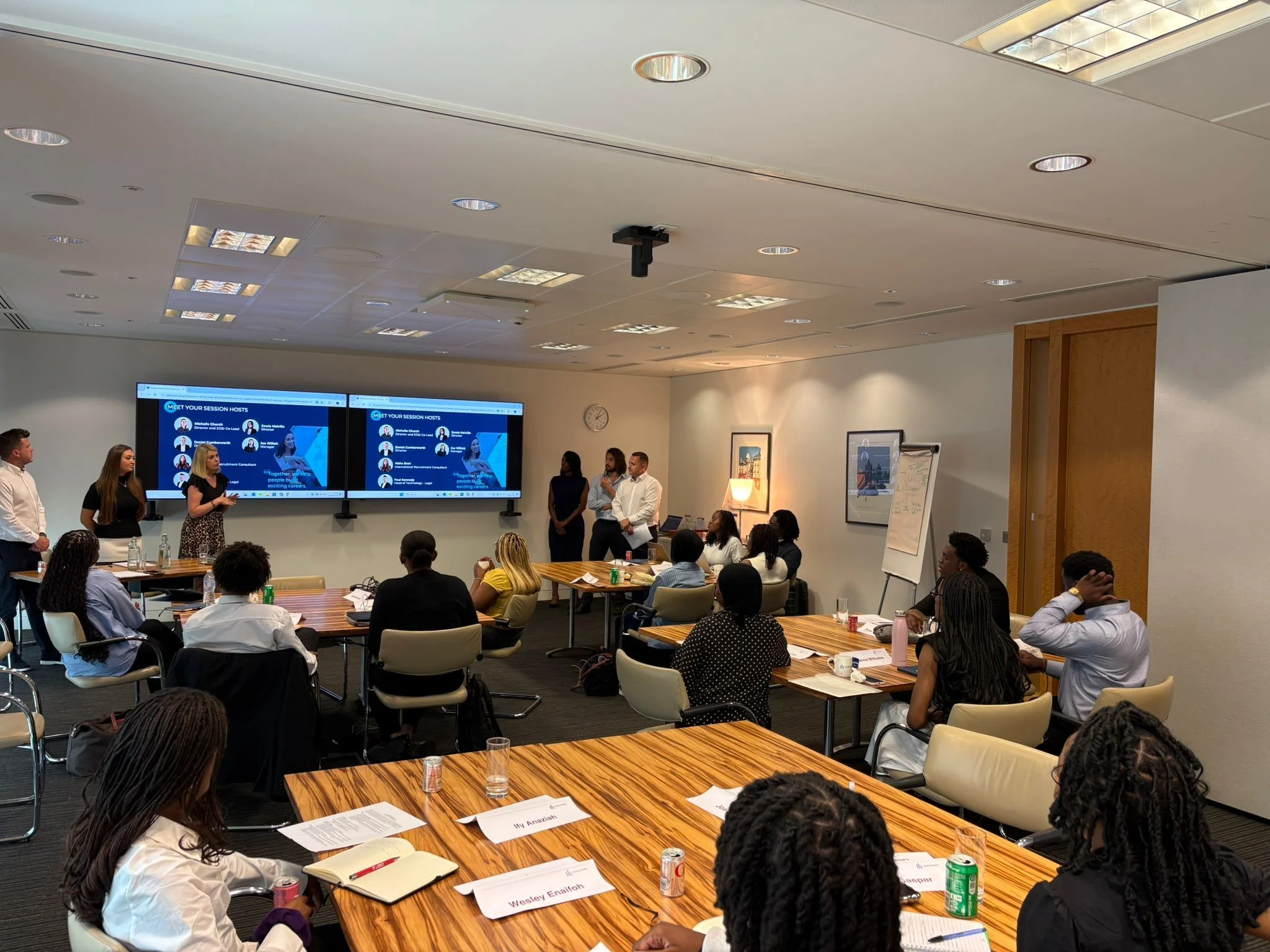
Stephenson Harwood CV Workshop
26 Aug, 2026

Why some organisations Succeed (And Others Struggle) Cultural change is rarely about sl...

Why some organisations Succeed (And Others Struggle)
Cultural change is rarely about slogans, posters, flashy branding or values on a wall...
It’s about what actually changes in day-to-day behaviour.
From my experience, organisations that do this well tend to focus on a few consistent things.
They:
- Invest in leaders’ capability - not just strategy
- Role model behaviours at the top and at every management layer
- Create space for honest feedback
- Communicate clearly, consistently, and quickly when needed
- Align rewards and promotions to values
- Address poor behaviour early (regardless of seniority)
- Support people through uncertainty
In contrast, organisations that struggle often:
- Announce change without preparing managers
- Communicate too little, too late, or inconsistently
- Try to manage complex change without the right specialist skills
- Tolerate misaligned behaviour from “high performers”
- Move on to the next initiative too quickly without taking people on the journey
- Underestimate change fatigue
- Treat culture as a side project
Some telling stats:
- Around 70% of change programmes fail due to people and cultural factors
- Employees are up to 3x more engaged when leaders consistently role model behaviours
- Psychological safety is strongly linked to higher performance and retention
- Organisations with strong cultures outperform peers on profitability and growth
And yet…
Culture is still often treated as “soft”.
When in reality, it’s one of the hardest things to get right, and one of the biggest competitive advantages.
Culture is built in:
- How decisions are made.
- How pressure is handled.
- How feedback is given.
- How success is rewarded.
- How mistakes are treated.
Every day.
The best organisations don't leave this to chance.
They lead it deliberately.